A Comparative Analysis of the Chemical Compositions of Eucalyptus Essential Oils: E. globulus, E. radiata, and E. smithii
Eucalyptus, a vast genus with a lineage of over seven hundred species of trees and shrubs, finds its origin predominantly in Australia and its adjacent islands. Among these, a select cluster is esteemed for their aromatic leaves which, when distilled, produce essential oils overflowing with therapeutic and commercial virtues.
In this exploration, we’ll spotlight the chemical compositions of essential oils from four notable Eucalyptus species: E. globulus, E. radiata, E. smithii, and the famed E. camaldulensis, also known as the River Red Gum.
Eucalyptus globulus (Blue Gum)
Signature Aroma: Intense and rejuvenating.
Dominant Compound: 1,8-cineole (Eucalyptol) forms 60-80% of the oil, granting the quintessential eucalyptus fragrance and delivering powerful antimicrobial and anti-inflammatory effects.
Notable Constituents: Alpha-pinene and Beta-pinene, reminiscent of pine; and Limonene, a citrusy essence with potential to elevate moods.
Eucalyptus radiata (Narrow-leaved Peppermint)
Signature Aroma: Subtler than its Blue Gum counterpart, cherished for specific therapeutic uses.
Dominant Compound: 1,8-cineole (Eucalyptol) is present, albeit at a slightly diminished concentration of 55-65%.
Notable Constituents: Alpha-terpineol, echoing the serenity of lilac; accompanied by Limonene and Alpha-pinene, enriching both therapeutic and aromatic facets.
Eucalyptus smithii (Gully Gum)
Signature Aroma: Delicate, yet its therapeutic parallels with its siblings are ushering it into the limelight.
Dominant Compound: 1,8-cineole (Eucalyptol) lingers between 50-70%.
Notable Constituents: Alpha-pinene and Beta-pinene that sculpt its scent; coupled with Gamma-terpinene and Aromadendrene, which introduce unique aromatic and potential anti-inflammatory contributions.
Eucalyptus camaldulensis (River Red Gum)
A global favorite and a cornerstone for plantations worldwide, E. camaldulensis is historically linked to traditional medicine, emphasizing its robust antimicrobial prowess. Studies underline its essential oil’s efficacy against a plethora of both Gram-positive and Gram-negative bacteria. Its bark and leaf extracts have shown promising antibacterial activity, with potency depending on the extraction method. Moreover, when juxtaposed with other Eucalyptus species, E. camaldulensis emerges as a frontrunner in antibacterial activity.
Signature Aroma: Distinct, with an allure that has even caught the attention of Rustic Distillery.
Dominant Compound: α-pinene, a titan at 22.52%.
Notable Constituents: p-cymene (21.69%), aphellandrene (20.08%), and 1,8-cineole (Eucalyptol) at 9.48%, among others.
Concluding Thoughts:
As antibiotic resistance looms large, the world pivots toward natural alternatives. Eucalyptus oils, with their myriad benefits and unique compositions, offer a beacon of hope. While E. globulus is a classic choice for the archetypal eucalyptus aroma, E. radiata and E. smithii serve those seeking softer undertones. The E. camaldulensis, especially with its historical significance and broad-spectrum antimicrobial prowess, is truly a gem.
Sourcing from trusted avenues ensures the oils’ purity and potency. As we continue to embrace nature’s remedies, understanding the nuances of these oils becomes pivotal. However, their potency demands respect; using them judiciously and under expert guidance is imperative, especially if ingested or directly applied to the skin.
Unveiling the Secrets: How Eucalyptus Oil Transforms from Leaf to Liquid Gold
Introduction to Eucalyptus Oil
Ever wondered how that aromatic bottle of eucalyptus oil in your cabinet came to be? Eucalyptus oil, cherished for its myriad of benefits, has a rich history and an even richer process of extraction. Let’s embark on this journey, shall we?
The Magic of Eucalyptus
Native to Australia, eucalyptus trees are now grown worldwide due to their popularity. The trees are not just known for their oil but are also a crucial part of ecosystems, providing food for the koala bear. But, what makes the eucalyptus tree so special?
Historical Use of Eucalyptus Oil
Historically, indigenous Australians used eucalyptus leaves for their antiseptic properties. They wrapped wounds with the leaves to prevent infections. As time evolved, the magic of eucalyptus spread worldwide, leading to commercial extraction. But how is this oil extracted?
The Process of Distillation
Harvesting Eucalyptus Leaves
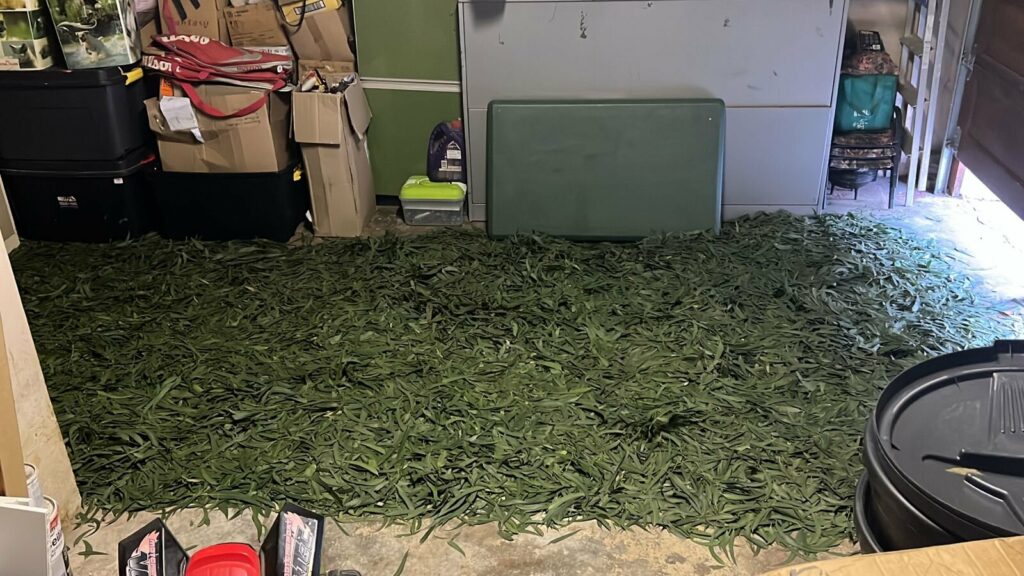
The journey begins in eucalyptus groves where mature leaves, rich in oil, are handpicked. Timing is crucial. Harvest during the dry season ensures maximum oil yield. Imagine the rustling of leaves as skilled workers select the best for distillation.
Preparing for Distillation
Cleaning and Sorting
Once harvested, leaves undergo rigorous cleaning. Think of it as prepping ingredients for a grand recipe. Leaves are sorted, ensuring only the best go into the distillation pots.
Crushing the Leaves
The cleaned leaves are then crushed, releasing the initial burst of aromatic compounds. Ever crushed a fresh mint or basil leaf between your fingers? The immediate release of fragrance is similar.
The Actual Distillation
Steam Distillation Explained
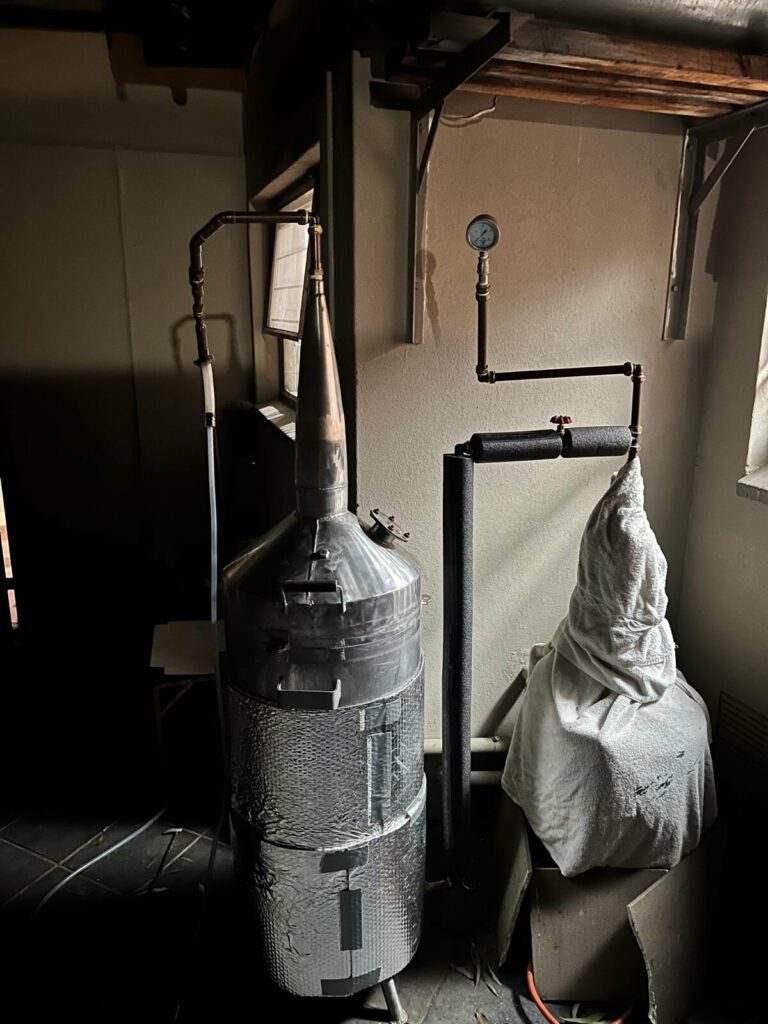
Here’s where the magic happens. Crushed eucalyptus leaves are subjected to steam distillation. As steam passes through the leaves, it causes the oil to evaporate. Picture a kettle boiling, but instead of just water vapor, there’s a fragrant mist rising.
Capturing the Oil
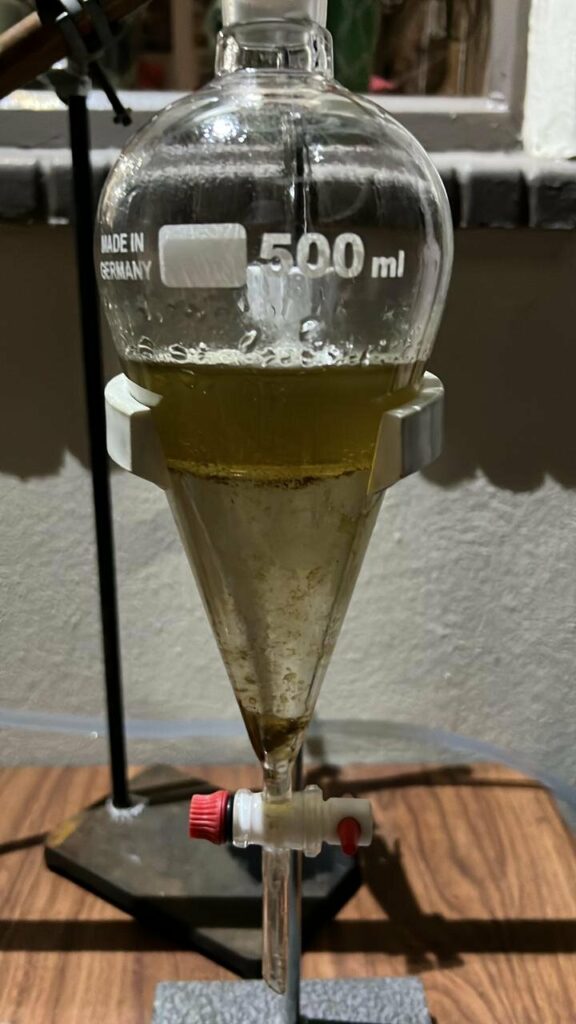
The evaporated oil, now mixed with steam, is cooled to separate the oil from the water. The oil, being lighter, floats on top and is carefully collected. It’s like skimming the cream off the milk, but more aromatic!
Benefits of Eucalyptus Oil
Medicinal Uses
Eucalyptus oil is a boon in traditional medicine. It’s known for its antiseptic properties, right? But did you know it’s also used for respiratory ailments like bronchitis and asthma? Imagine having nature’s very own vapor rub!
Aromatherapy and Relaxation
Feel stressed? A few drops of eucalyptus oil in a diffuser or bath can work wonders. Imagine the calming scent wafting through the air, transporting you to serene eucalyptus groves.
Household Uses
Beyond health, this oil is a household hero. From being a natural disinfectant to repelling insects, isn’t it astounding how one tree can offer so much?
Conclusion and Takeaway
From the vast groves of eucalyptus to the tiny bottle in your hand, the journey of eucalyptus oil is fascinating. A blend of nature’s magic and human ingenuity, this oil serves as a testament to mankind’s quest for harnessing nature’s bounty. So, the next time you inhale its invigorating scent, remember the journey it’s been on. Makes you appreciate it a tad more, doesn’t it?
The Magic Behind Eucalyptus Oil Distillation: Unlocking Nature’s Secrets
Introduction to Eucalyptus Oil
Have you ever taken a deep breath and been instantly refreshed by a cool, menthol-like aroma? That’s the magic of eucalyptus oil! Originating from the tall and evergreen eucalyptus trees, this oil has found its way into numerous applications from medicinal to cosmetic.
History and Origins
Eucalyptus trees, primarily native to Australia, have been known to the indigenous populations for centuries. They used its leaves for a variety of ailments, from wounds to respiratory issues. But how did this tree’s leaves transform into the aromatic oil we know today?
Benefits and Uses
Apart from its invigorating scent, eucalyptus oil boasts a myriad of benefits. It’s a natural antiseptic, making it excellent for cleaning wounds. Its cooling effect provides relief from respiratory conditions, and it’s also a common ingredient in muscle rubs, thanks to its pain-relieving properties. Ever wondered why koalas munch on eucalyptus leaves? It’s nature’s way of providing them medicine!
The Distillation Process
The secret behind obtaining this wonder oil lies in the art of distillation.
Traditional Methods
Long before modern machinery, people relied on traditional distillation methods.
Steam Distillation
Imagine a cauldron filled with water and eucalyptus leaves, with steam rising and carrying the oil’s essence. This steam then cools down, condensing the oil and water, which are then separated. It’s like capturing the soul of the eucalyptus tree in a bottle!
Water Distillation
While similar to steam distillation, this method involves boiling the leaves directly in water. It’s a bit like making tea, but instead of drinking it, you’re collecting the aromatic oil floating on top.
Modern Techniques
With advancements in technology, the extraction of eucalyptus oil has evolved.
Supercritical CO2 Extraction
Sounds fancy, right? In this method, carbon dioxide (CO2) is turned into a supercritical fluid, extracting the oil without using heat. Picture it as a gentle process, like coaxing the oil out without disturbing its essence.
Solvent Extraction
In this method, solvents dissolve the oil from the leaves. Think of it as convincing the oil to join a dance, swirling and mingling with the solvent before being separated.
The Chemistry Behind Its Potency
Eucalyptus oil owes its potency to its chemical composition.
Key Components
Delving deeper, we find some fascinating constituents within the oil.
Eucalyptol (1,8-cineole)
This is the main component, contributing to the oil’s characteristic cooling effect. Ever felt that breezy sensation when applying a eucalyptus-based balm? That’s eucalyptol working its magic!
Alpha-Pinene and Limonene
These compounds add to the oil’s antiseptic properties. It’s like having tiny warriors fighting off harmful invaders on your skin!
Sustainable Harvesting and Production
Eucalyptus oil production isn’t just about extraction; it’s also about respecting nature. Sustainable practices ensure that we don’t deplete these gifts from Mother Earth. By practicing responsible harvesting and using efficient extraction methods, we ensure that the magic of eucalyptus continues for generations to come.
Conclusion
Eucalyptus oil is more than just a pleasant aroma; it’s a testament to nature’s wonders. Through the intricate process of distillation, we unlock its secrets, harnessing its benefits for our well-being. Next time you inhale its refreshing scent, remember the magic behind its creation.
Unlocking Nature’s Essence: The Rustic Art of Steam Distillation
Introduction to Essential Oils
What are Essential Oils?
Have you ever been invigorated by the crisp scent of eucalyptus? Such sensations arise from essential oils, potent extracts derived directly from the heart of plants. These oils are nature’s aromatic marvels, each embodying the unique essence and benefits of its source.
Why Essential Oils Matter?
Beyond just aromatherapy, essential oils have held a significant place in various cultures for their therapeutic and health-enhancing properties. From skincare elixirs to natural cleaning agents, their multi-faceted applications have rendered them invaluable in homes worldwide.
The Timeless Process of Essential Oil Distillation
Steam Distillation: The Rustic Distillery’s Choice
Steam distillation stands as the cornerstone of essential oil extraction and is the cherished method of Rustic Distillery. Through this age-old process, steam flows through plant materials, releasing and vaporizing the aromatic compounds embedded within.
Delving Deep into Steam Distillation
The Initial Setup
Envision a rustic setup where a pot of clear water begins to bubble with heat. Beneath its surface lies a carefully chosen layer of fresh eucalyptus leaves, their green hue contrasting with the water’s clarity. This setting isn’t just picturesque; it’s the beginning of an age-old process that has been cherished for generations.
The Dance of Steam and Plant
As the heat intensifies, steam starts to rise, snaking its way through the eucalyptus leaves. This steam, warm and inviting, acts as a gentle force, teasing out the volatile compounds from the eucalyptus. It’s a dance of elements, where water in its gaseous form mingles with plant essence, creating a union of aroma and moisture.
The Cooling Transition
Once the steam has carried with it the essence of eucalyptus, it begins its journey of transformation. Guided through a cooling system, the once warm and aromatic steam starts to lose its heat, turning cooler by the moment. This cooling process is crucial, for it’s here that the magic of separation occurs.
Nature’s Alchemy
As the cooled steam condenses, it takes on a dual form: water and the coveted essential oil. Due to the inherent properties of the oil, it doesn’t mix with the water. Being lighter, the essential oil floats, forming a delicate layer on the water’s surface. It gleams with a promise of purity, a result of nature’s alchemy that transformed leaf to essence.
A Symphony Concluded
The final product is a clear, aromatic essential oil, resting atop water, ready to be collected and treasured. The entire process, from the bubbling pot to the shimmering oil, is a testament to the harmony of nature and technique. It’s not just science; it’s art, don’t you agree?
Why Rustic Distillery Prefers Steam Distillation
At the heart of Rustic Distillery lies a deep reverence for time-honored practices, and steam distillation stands as a shining beacon of that reverence. For this establishment, steam distillation isn’t merely a method—it’s a cherished legacy, a baton that has been passed down with pride through countless generations. Every batch distilled carries with it the whispers of the past, the tales of ancestors who once tread the same aromatic path.
Authenticity in Every Drop
What sets steam distillation apart for Rustic Distillery is its inherent ability to capture the soul of the plant. This process doesn’t just extract; it converses with the plant, understanding its essence, and drawing out its most authentic spirit. The resulting oils are more than just fragrant liquids; they’re a concentrated embodiment of the plant’s core, unparalleled in their purity and quality. It’s a method that ensures that when you open a bottle of their essential oil, you’re getting the very heart of the plant itself.
Nature’s Magic in a Vial
To the artisans at Rustic Distillery, the process of steam distillation feels like a magical ritual. The transformation of raw, green eucalyptus leaves into a clear, aromatic essence is nothing short of enchanting. It’s not just about the science or the technique; it’s about capturing a fragment of nature’s vast wonder. Every drop resonates with the rhythms of the earth, the sun, and the rain, making steam distillation not just a method, but a bridge to the natural world’s profound magic.
Eucalyptus oil, with its invigorating and refreshing scent, stands as one of nature’s most versatile aromatic treasures. Extracted from the tall, evergreen eucalyptus trees, this essential oil encapsulates the essence of pristine forests and crisp air, offering countless ways to infuse our daily routines with its rejuvenating properties.
Eucalyptus in Diffusers and Massages
Introducing eucalyptus oil into your home is as simple as adding a few drops into a diffuser. As the diffuser releases the oil’s molecules into the air, spaces are transformed with its distinctively clean and revitalizing aroma. It’s an instant way to purify the atmosphere and uplift moods. Beyond diffusers, consider the luxury of a therapeutic massage using eucalyptus oil. Blended with a carrier oil, eucalyptus brings its anti-inflammatory and cooling properties to the fore, providing relief to sore muscles and stressed minds.
DIY Eucalyptus Spa Treatments
The DIY enthusiasts among us can celebrate the myriad spa treatments that can be crafted with eucalyptus oil. Imagine a foot soak infused with eucalyptus, offering respite after a long day, or a facial steam that harnesses eucalyptus’ antiseptic properties, leaving skin refreshed and radiant. Creating these treatments at home allows for a personalized touch, ensuring that you get the most out of the eucalyptus experience tailored to your needs.
Eucalyptus Beyond Relaxation
The applications of eucalyptus oil aren’t confined to relaxation and rejuvenation alone. Consider adding it to laundry for a fresh scent, or using it as a natural cleaner due to its antibacterial qualities. With its wide range of uses, eucalyptus essential oil proves that nature offers us tools not just for luxury and relaxation, but for practical, everyday solutions too. With a bottle of eucalyptus oil at hand, daily tasks are transformed into aromatic adventures, intertwining nature’s power with our everyday lives.
In Conclusion: The Future of Essential Oils
Essential oils are our gateway to the wonders of nature. With Rustic Distillery’s unwavering dedication to steam distillation, we are not just tapping into nature’s essence but also preserving its timeless traditions. As the journey continues, a future filled with even purer and more potent oils awaits, deeply rooted in tradition and nature’s generosity.
From Plant to Bottle: The Mesmerizing Journey of Essential Oil Distillation
Have you ever wondered how that tiny bottle of essential oil on your shelf came to be? The journey is as fascinating as the aroma wafting from it. Let’s embark on a scented trail from the verdant fields to the sealed bottle.
Introduction to Essential Oils
Essential oils are nature’s gift. They’ve been used for centuries in various cultures for their therapeutic and healing properties. But how do these potent liquids travel from plants to our homes?
The Art of Distillation
Distillation is the heart of the essential oil production process. It’s a delicate dance of science, art, and a touch of magic.
History of Essential Oil Distillation
Dating back to ancient civilizations, distillation was considered alchemy. The Egyptians, renowned for their advanced embalming techniques, were among the first to harness the power of plants in liquid form.
Tools of the Trade
Modern distillation may have advanced machinery, but the essence remains the same. Copper stills, condensers, and separators are vital in capturing the oil’s soul.
The Step-by-Step Distillation Process
Choosing the Right Plants
Not all plants are created equal. The potency of essential oil depends on the plant’s health, region, and even the time of day it’s harvested.
Harvesting with Precision
Timing is everything. Harvesting too early or too late can impact the oil’s quality. Did you know lavender is best harvested in the early morning?
The Distillation
Once harvested, the plant material is placed in a distillation unit. Steam or water is used to break down the plant and release the essential oil.
Separation and Collection
After distillation, the oil and water mixture is cooled, allowing the oil to separate and float on top. It’s then carefully collected.
Popular Essential Oils and Their Origins
Lavender Oil
Hailing from the serene fields of France, lavender oil is known for its calming effects. A single whiff can transport you to those purple fields.
Eucalyptus Oil
Native to Australia, eucalyptus oil is a favorite for its invigorating scent. It’s like a breath of fresh forest air.
Tea Tree Oil
Another gem from Australia, tea tree oil is renowned for its antimicrobial properties. Ever used it on a pesky pimple?
The Healing Power of Essential Oils
Beyond their captivating aromas, essential oils have a plethora of health benefits. From easing stress to combating infections, these tiny bottles pack a punch!
Sustainable and Ethical Distillation
Environmental Considerations
With the rising demand for essential oils, sustainability is paramount. Eco-friendly harvesting and distillation techniques ensure nature isn’t compromised.
Ethical Harvesting
Equally important is the ethical sourcing of plants. This ensures local communities benefit and rare plants aren’t exploited.
Conclusion
From their historical roots to modern-day practices, essential oils have traveled a long, aromatic journey. As we enjoy their myriad benefits, it’s essential to remember and respect the intricate process behind each drop.